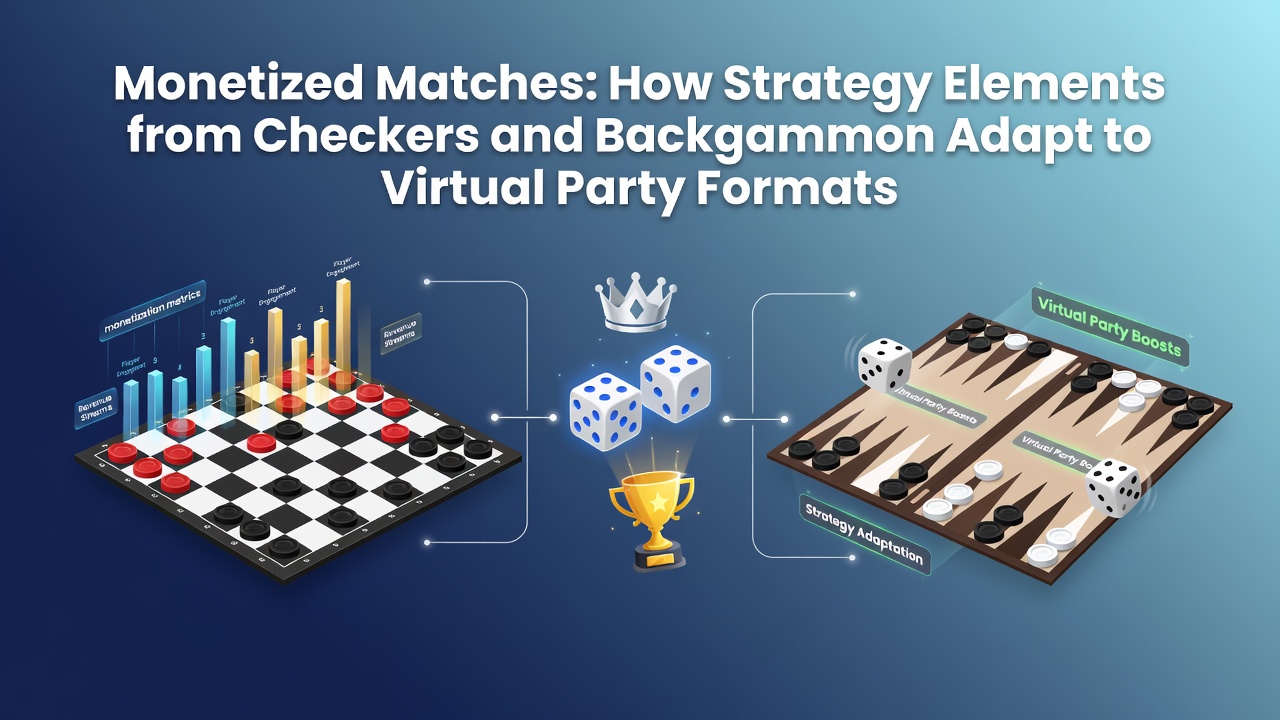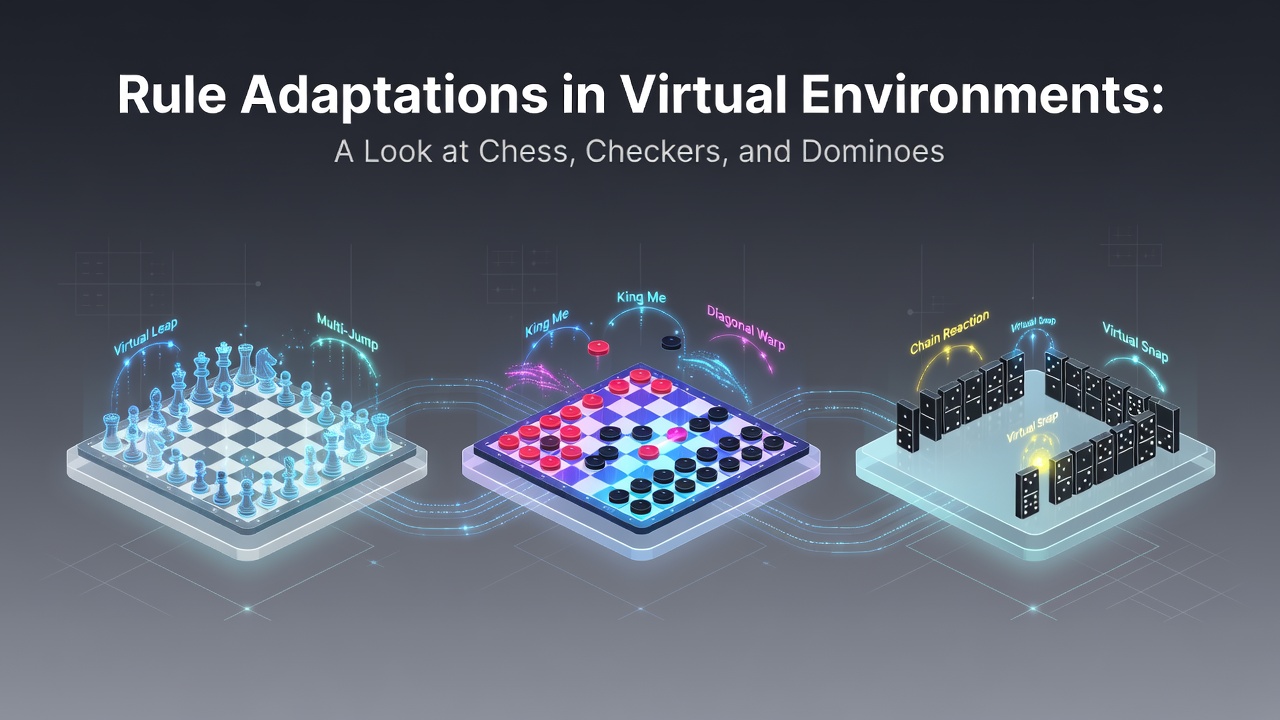
Virtual environments have introduced specific modifications to traditional board game rules across chess, checkers, and dominoes, with platforms adjusting elements like timing, …
Articles
Articles
All Publications
Showing 55 Articles
Ancient dice practices from Mesopotamia, China, and Africa continue to influence the mechanics and visuals of modern virtual dice systems, while cash play platforms adapt rules and …
Positioning remains central in checkers adaptations, yet virtual interfaces display potential captures more prominently through highlights. This visual aid changes how players scan …
Digital adaptations of dominoes and backgammon incorporate dice mechanics that introduce controlled randomness into tile placement and piece movement, reshaping how participants …
Board games have transitioned from physical tabletops to digital environments where participants connect across distances, and data from industry reports indicate steady growth in …
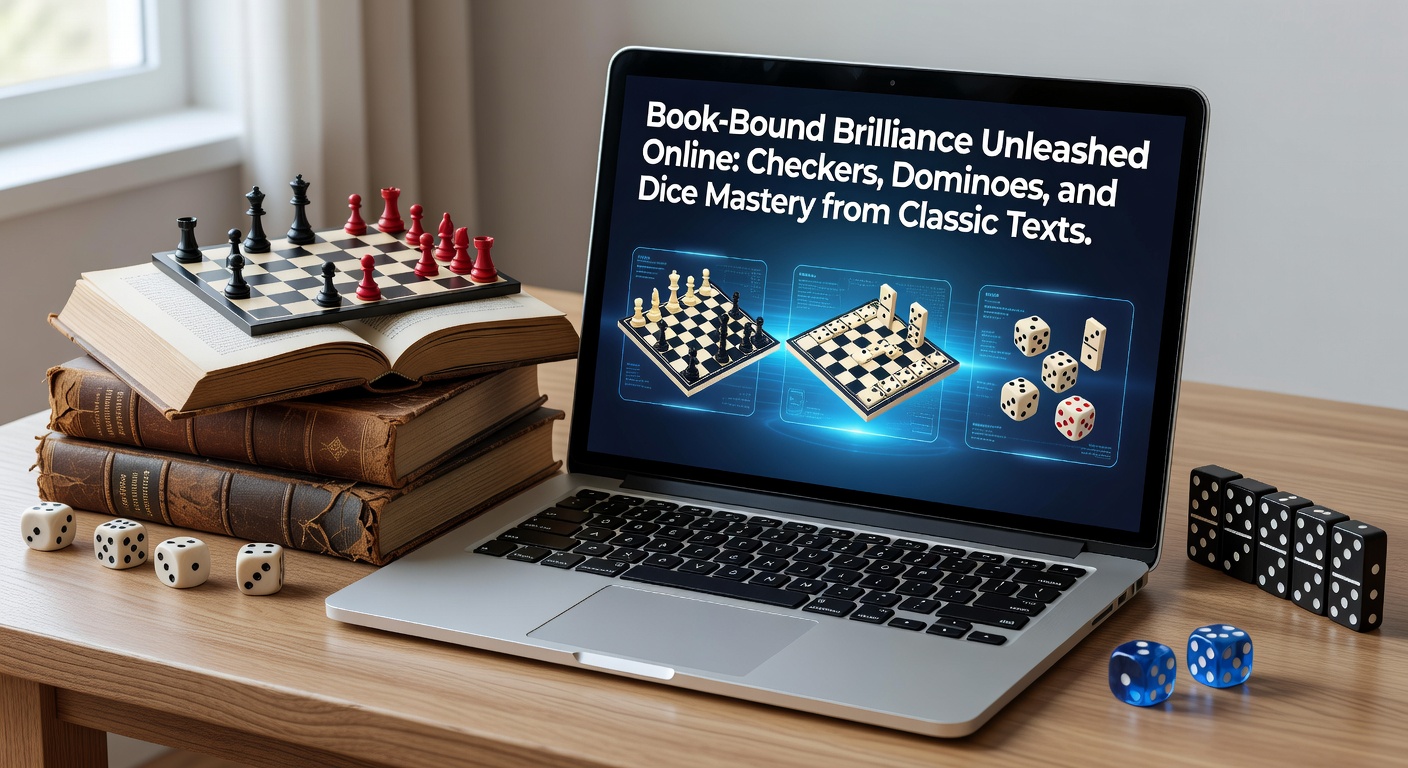
Printed manuals continue to serve as detailed resources for participants in paid abstract matches and dice events, where they outline rules, probability calculations, and tactical …
Modern online systems incorporate real-time synchronization so moves register instantly for all participants, and chat functions allow discussion of strategy or casual conversation …
Abstract strategy manuals compile detailed calculations on dice outcomes, tile distributions, and blocking probabilities that players reference during preparation for cash events, …
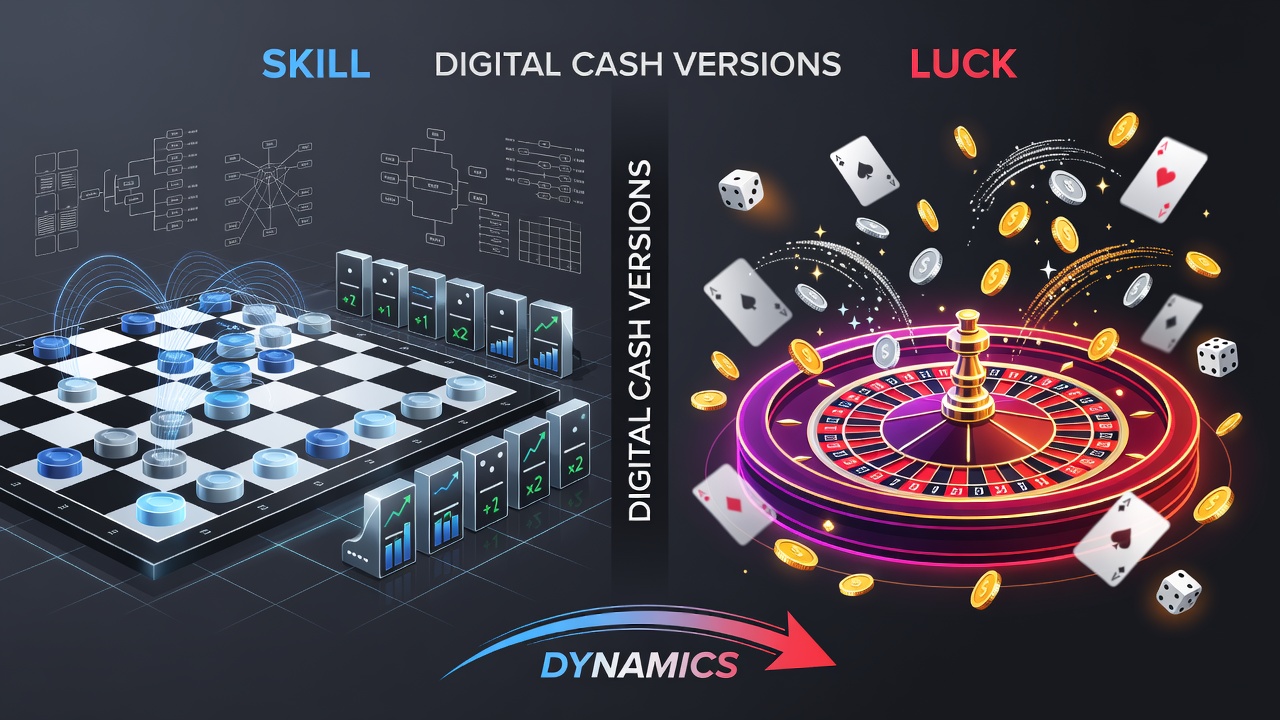
Digital platforms offering cash versions of checkers, dominoes, and similar strategy games continue to attract players who seek competitive formats where both personal ability and …
Statistical analysis of online gaming sessions reveals distinct patterns in how participants approach games that combine strategic elements with random outcomes, and these patterns …
Dominoes cash competitions rely on structured probability tables that list tile combinations and remaining piece likelihoods, and these resources shape how participants approach …
Checkers publications have long provided frameworks for understanding sequential decision making under perfect information conditions, and these frameworks transfer directly to …
Early board game diagrams laid out race paths with clear divisions for movement, turns, and obstacles, and those same structures now guide probability calculations in digitized …
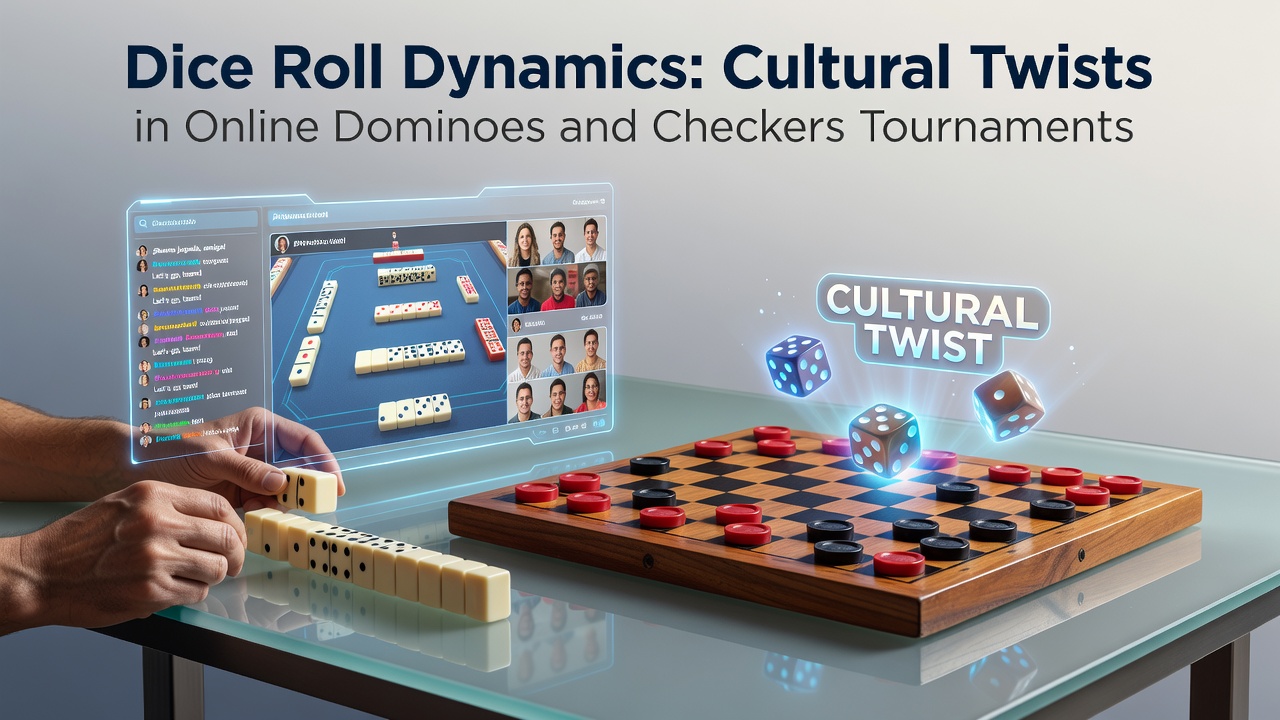
Online dominoes and checkers tournaments continue to blend probability mechanics with regional customs as platforms expand their reach into new markets during 2026, and August …
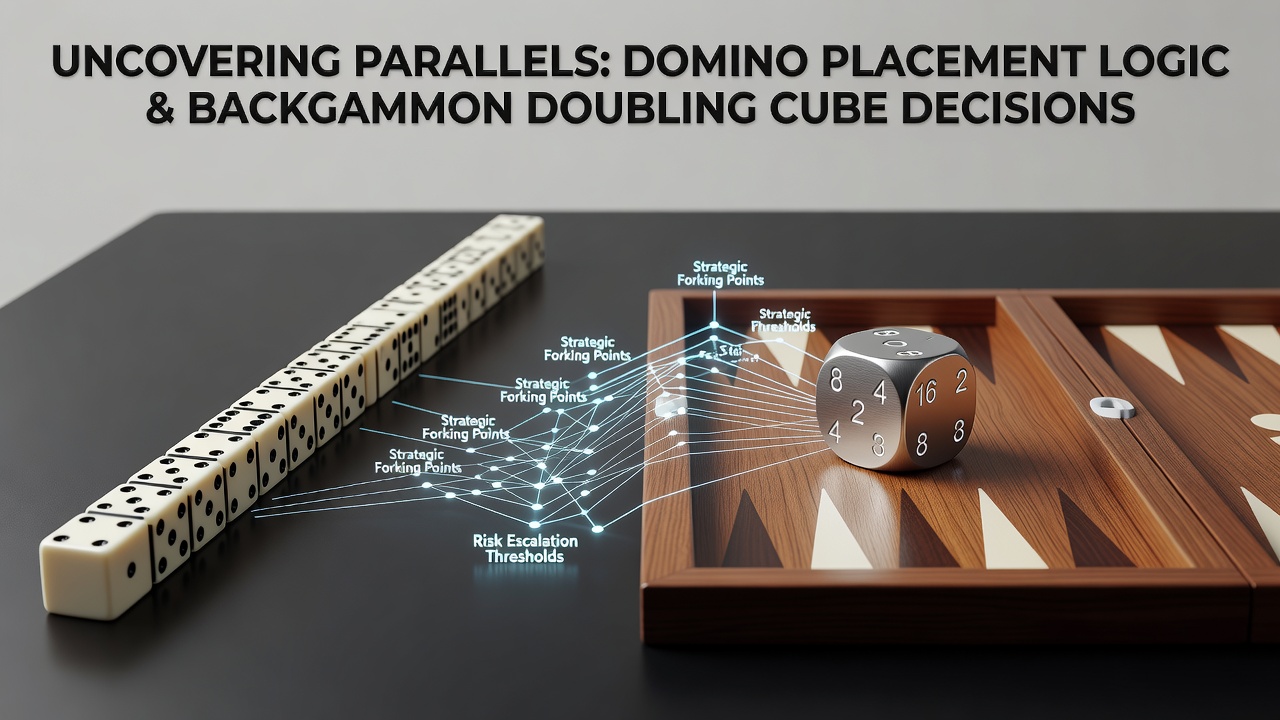
Domino placement logic and backgammon doubling cube decisions both center on sequential choices that shape control over the remaining game state, and researchers have documented …
Pattern recognition in dice and domino variants forms a core element of competitive cash tournaments where participants analyze sequences of pips and tile arrangements to inform …
Online board games have expanded steadily over the past decade as internet infrastructure improved and developers created accessible platforms for traditional titles, and data from …
Online board games have expanded significantly as technology enables real-time multiplayer interactions across global networks, and developers integrate features that replicate …
Publications break down abstract games into discrete phases where dice rolls intersect with fixed rulesets, and each phase demands distinct calculation methods. Early game sections …
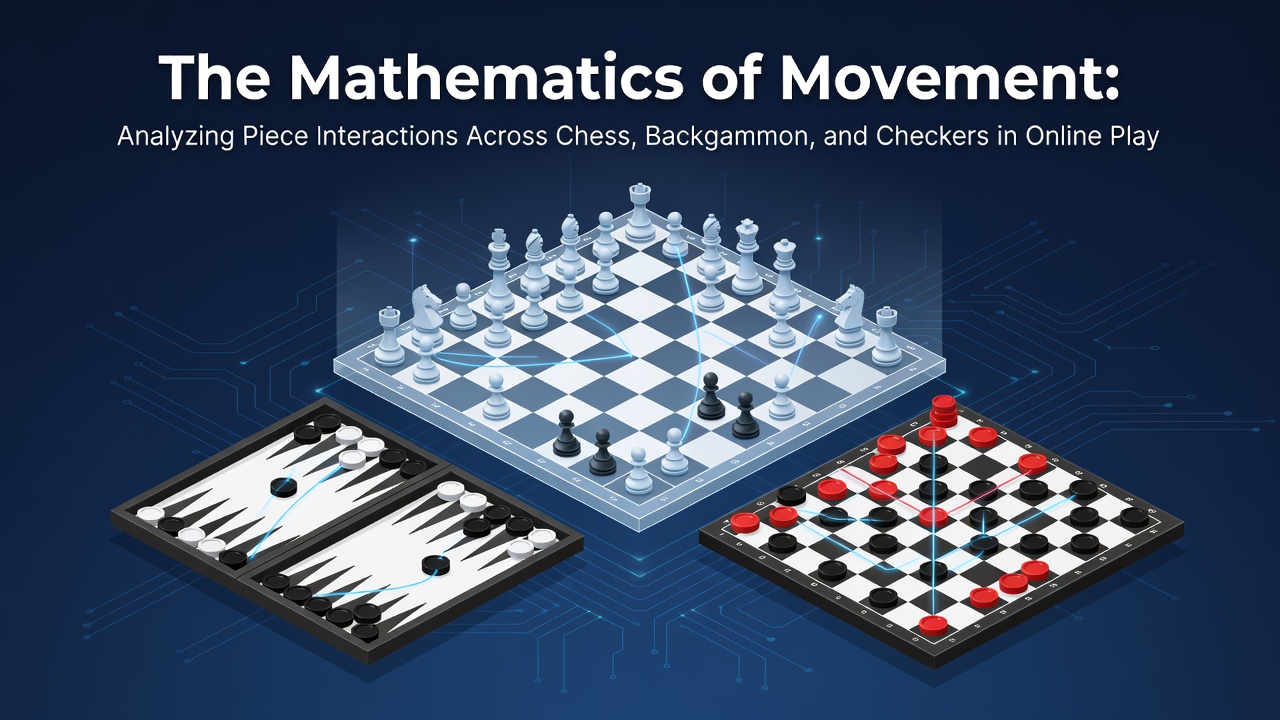
Chess, backgammon, and checkers each rely on distinct mathematical frameworks that govern how pieces interact across boards, and online platforms have made these patterns easier to …
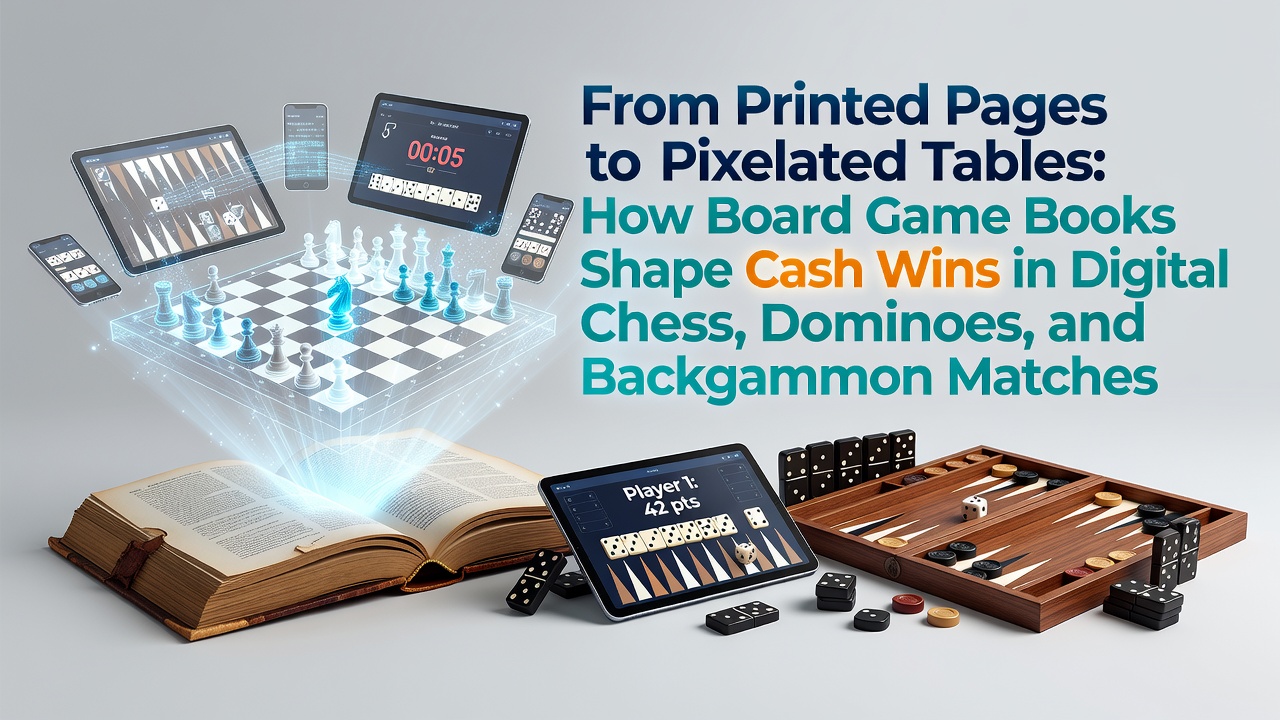
Board game literature has long served as a foundation for competitive play, and its influence extends directly into digital cash environments where chess, dominoes, and backgammon …
Board games have moved onto digital platforms in significant numbers, with developers adapting traditional mechanics for browser-based and app-driven play that supports both casual …
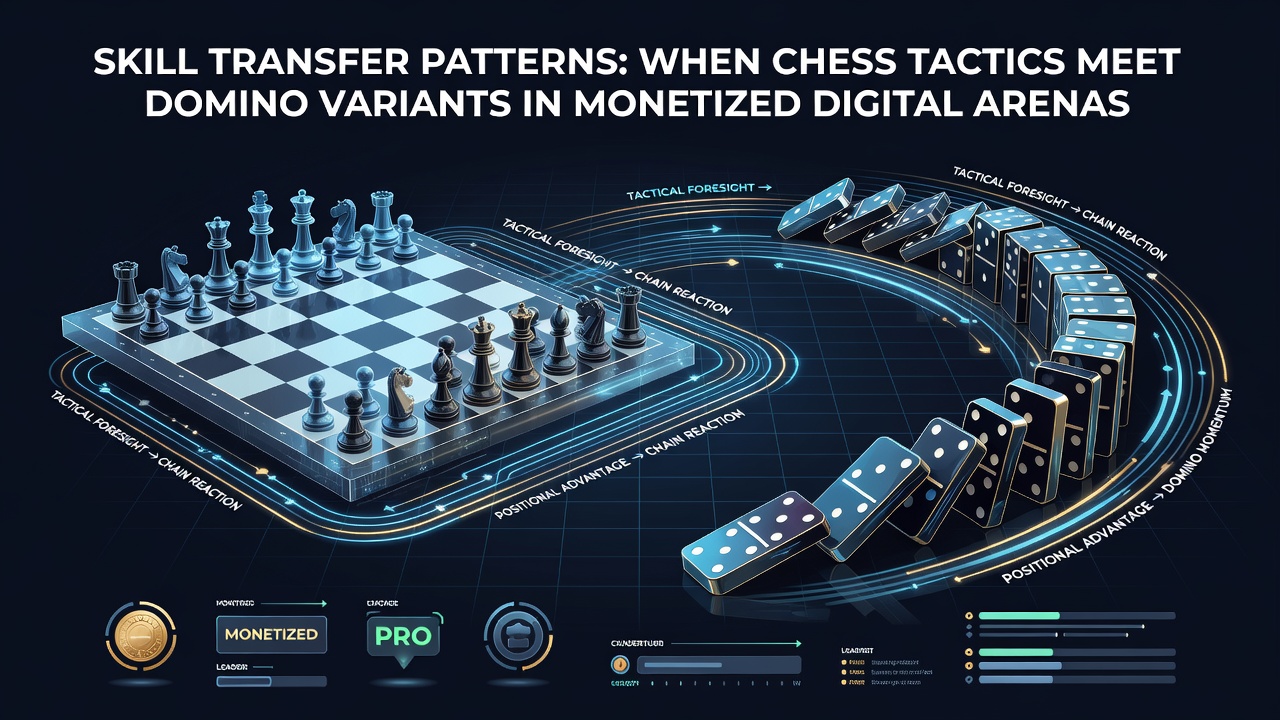
Observers note that cognitive patterns from chess often carry over into domino variants when players enter monetized digital environments where real stakes amplify strategic …
Observers note that domino games in real-money online tournaments rely on sequential placements where each tile affects future options, and researchers have developed models to …
Backgammon relies on two six-sided dice that generate 36 equally likely outcomes on every roll, and this structure creates distinct probability patterns that shape player decisions …
Research indicates that digital adaptations of dice and domino games preserve core mechanics from physical versions while introducing algorithmic random number generators that …
Printed strategy guides have long served as foundational resources for backgammon players seeking to build core competencies in opening moves, bearing off techniques, and cube …
Backgammon tournaments that involve real money prizes rely on precise application of the doubling cube to manage escalating stakes while maintaining competitive balance and …
Published studies on probability distributions in dice rolls and matching sequences in domino sets have shaped how participants approach stakes-based matches across multiple …
Dominoes originated centuries ago in China before spreading across continents, and analysts from earlier eras documented patterns in tile matching that still influence how …
Observers note that traditional board games have long served as training grounds for strategic thinking, and researchers have documented how skills from chess and checkers transfer …
Platforms tracking online chess have compiled extensive datasets that highlight consistent patterns in how participants approach matches, with many users favoring rapid time …
Abstract strategy games traditionally rely on perfect information and player skill alone, yet dice mechanics have begun appearing in select titles that draw from domino traditions, …
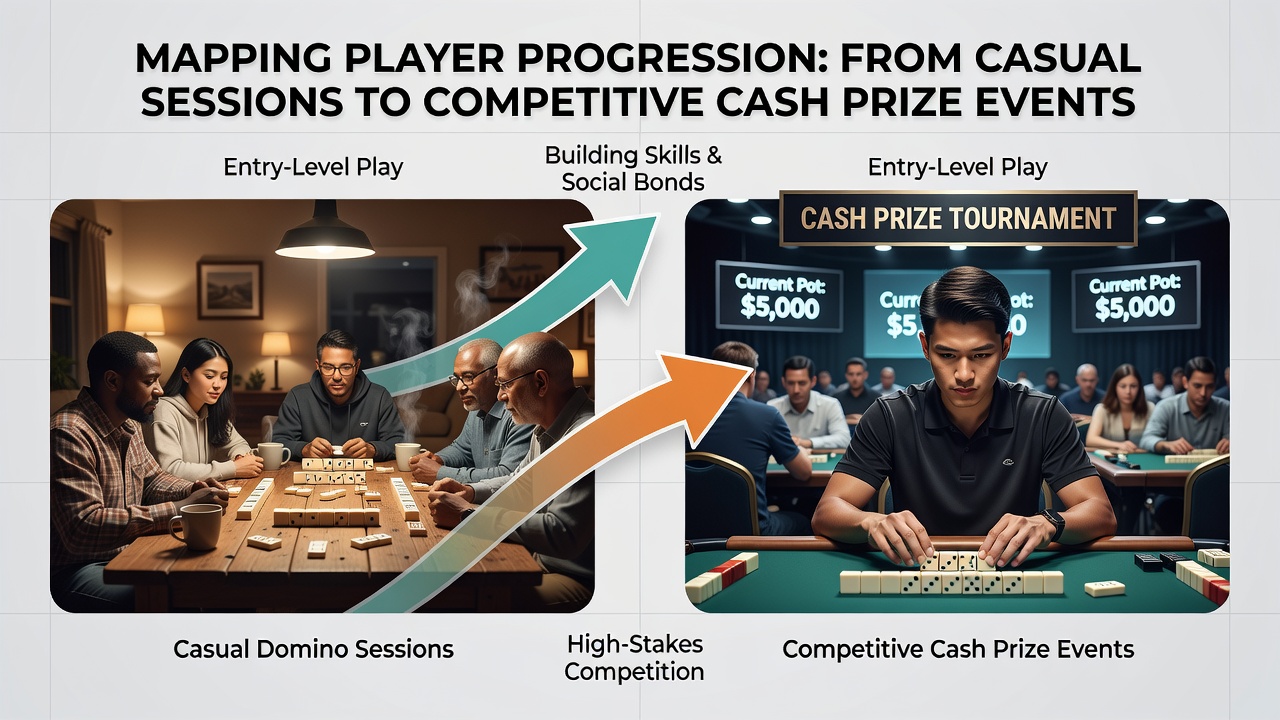
Domino players often begin with informal matches that emphasize social interaction and basic rule familiarity, yet many advance through structured stages toward events offering …
Remote play of classic strategy matches has opened new avenues for tracking how participants develop layered competencies over time, and observers note distinct patterns emerging …
Chess tactics have started intersecting with dice-driven dominoes variants on paid online platforms in ways that reshape how communities form and interact, with data from multiple …
Observers note that chess has long served as a foundation for strategic thinking in many board games, and this pattern extends into digital formats where checkers and dominoes …
Abstract strategy platforms that monetize play draw directly from centuries-old probability structures embedded in dice and domino games, where each roll or tile draw follows …
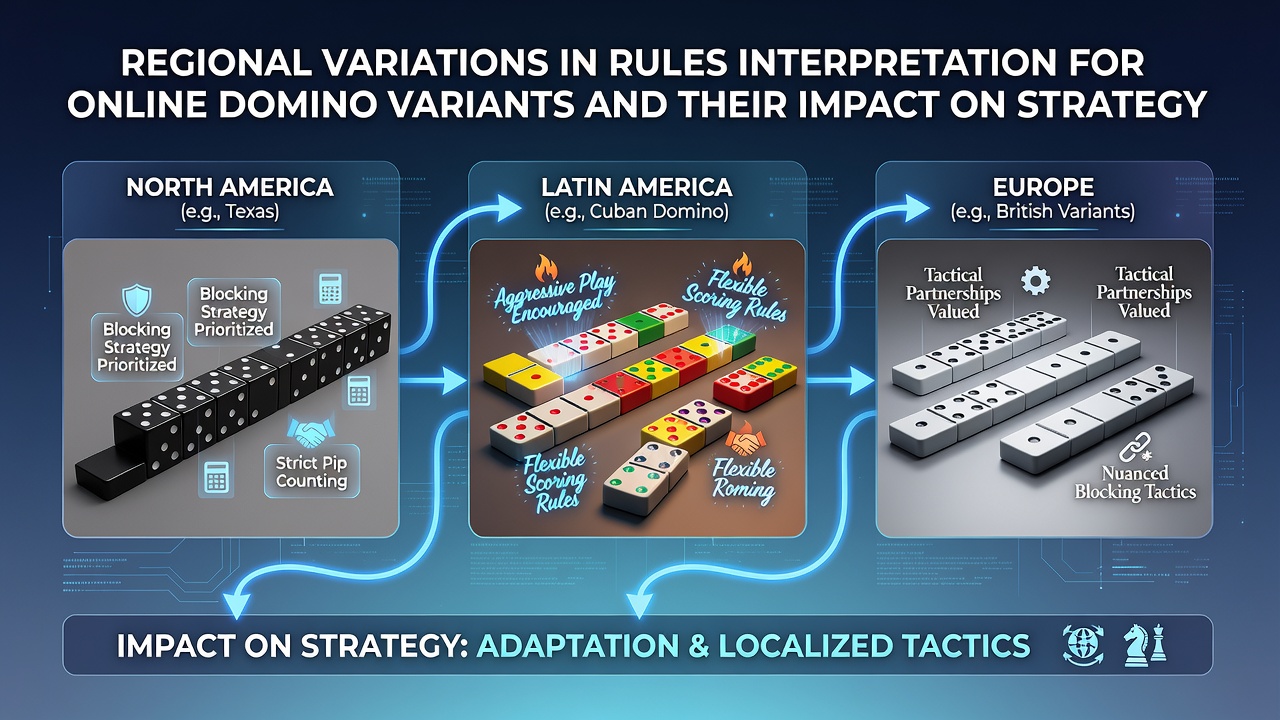
Regional differences in domino rules create distinct layers of complexity for players who shift between online platforms, and these variations often trace back to longstanding …
Abstract strategy games such as chess and go emphasize perfect information along with deep calculation while dice cash tournaments introduce elements of probability and real stakes …
Print sources on domino theory have long supplied structured frameworks for analyzing endgame positions, and these resources continue to shape how players approach risk assessment …
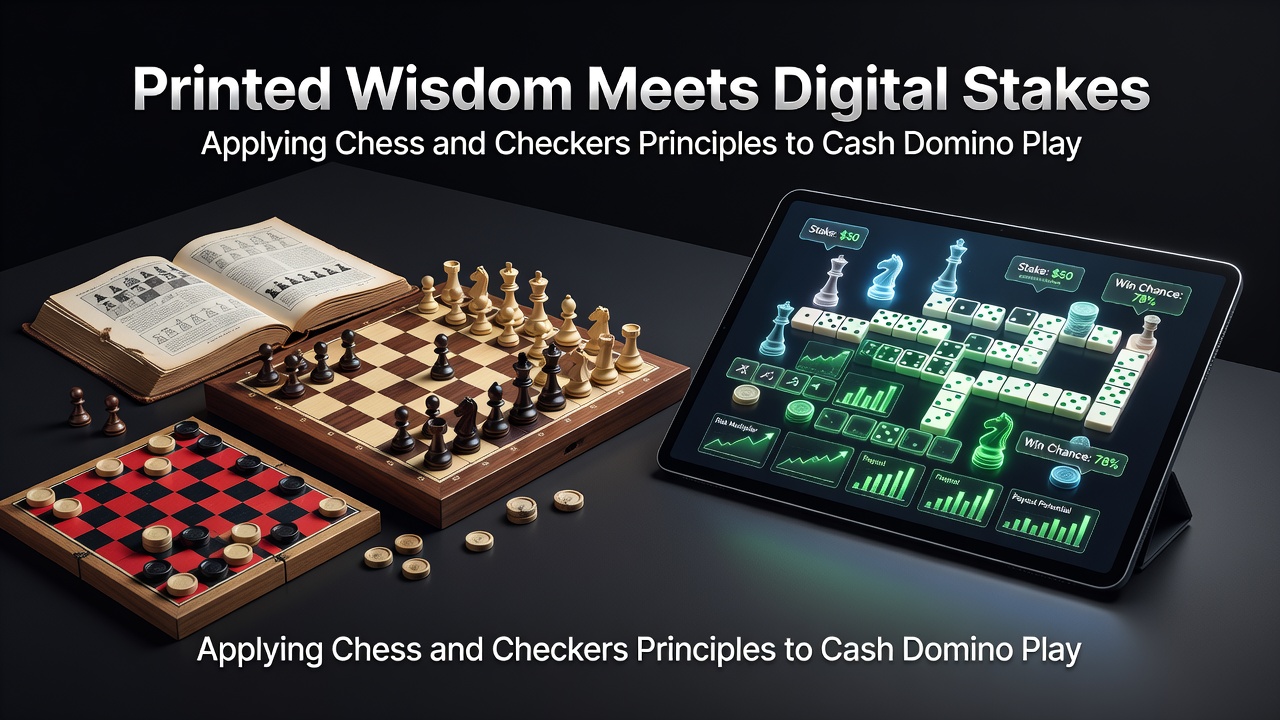
Old volumes on board games have long catalogued decision trees and chance calculations that now feed directly into digital platforms where players compete for cash prizes in …
Bound volumes of game theory and probability analysis continue to influence how participants approach online abstract cash events, where strategic decisions hinge on calculated …
Domino game manuals from the early twentieth century laid out precise rules for tile placement and blocking sequences that players still reference when they enter digital cash …
Multiplayer abstract online events continue to blend chance mechanics with player decisions, and dice probabilities stand at the center of that blend. Observers note that …
Abstract board games have long supplied frameworks for spatial control and calculated risk that now appear in online dice formats, where players manage positioning through …
# Write a comprehensive, factual article about Tracing Decision Pathways: Board Game Literature's Influence on Probability Mastery in Virtual Domino Tournaments. IMPORTANT: We have …

Decision patterns in digital cash prize matches that feature dice and abstract formats often draw from centuries-old manuscripts, where early strategists documented approaches to …
Checkers, known as draughts in many regions, traces its strategic depth back to manuscripts from the 16th century, where early players dissected king promotions and fork captures; …
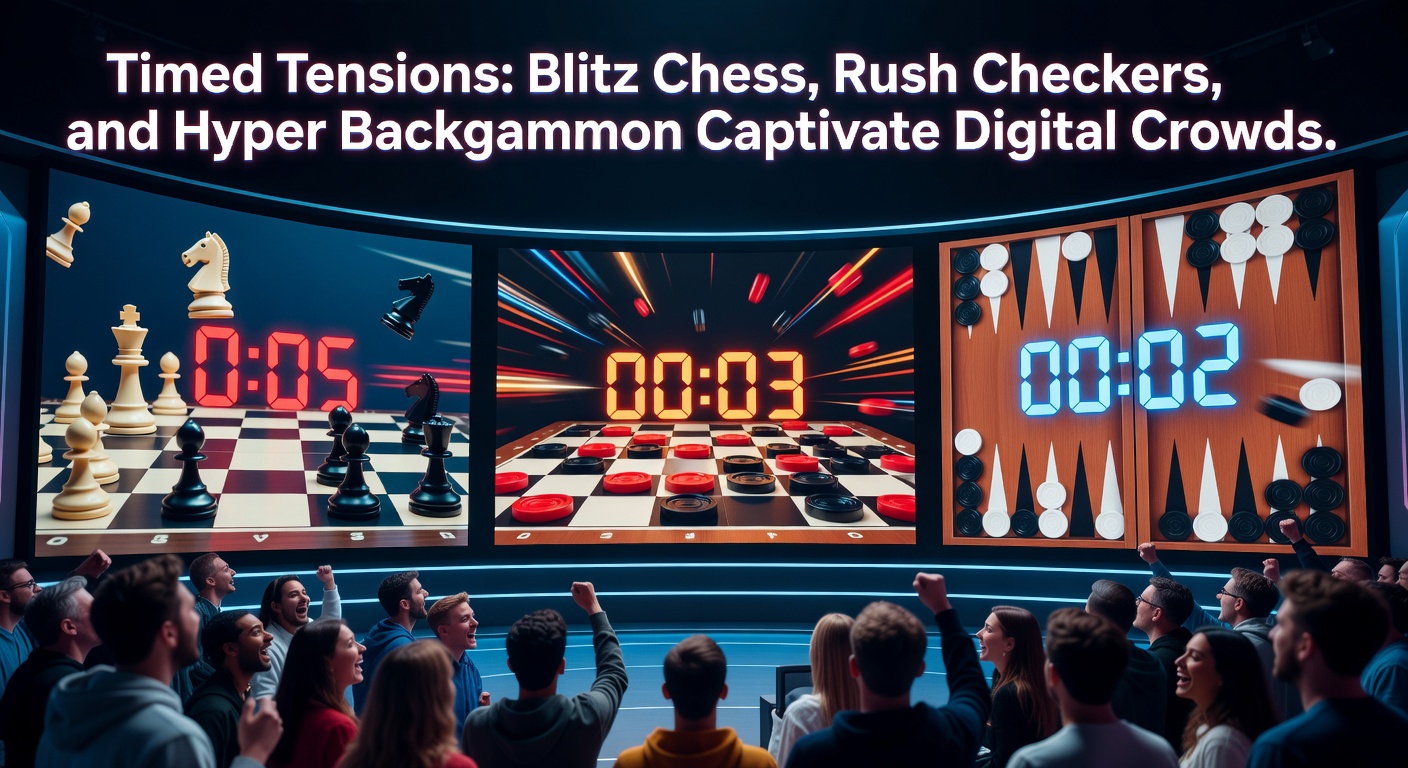
Blitz chess, rush checkers, and hyper backgammon have exploded onto digital platforms, drawing millions who crave the thrill of split-second decisions; these timed variants strip …
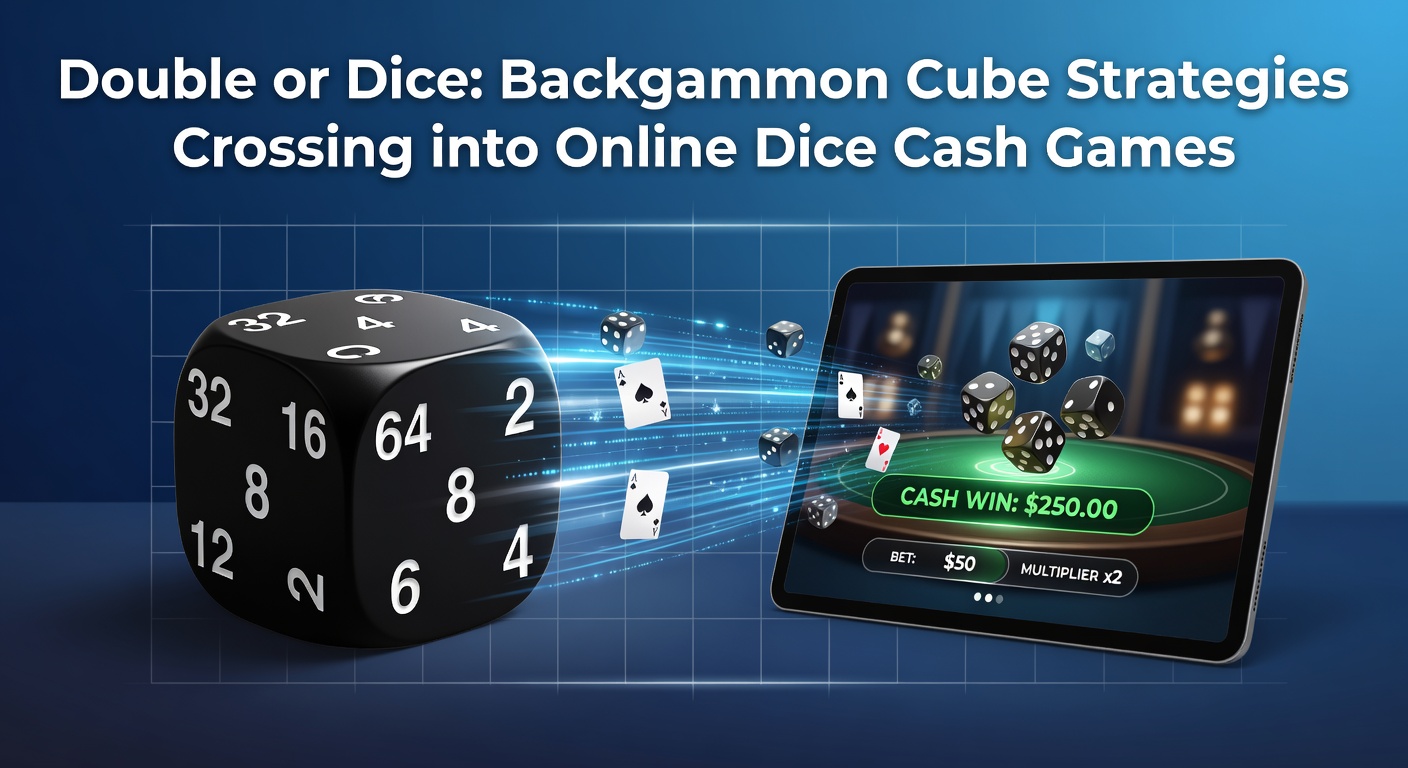
Backgammon players have long relied on the doubling cube, a tool that transforms standard matches into high-stakes battles by allowing opponents to propose doubling the stakes at …
Dominoes, dice rolls in backgammon, and the strategic dances they inspire online all weave through the same probabilistic fabric; researchers have long noted how binomial …
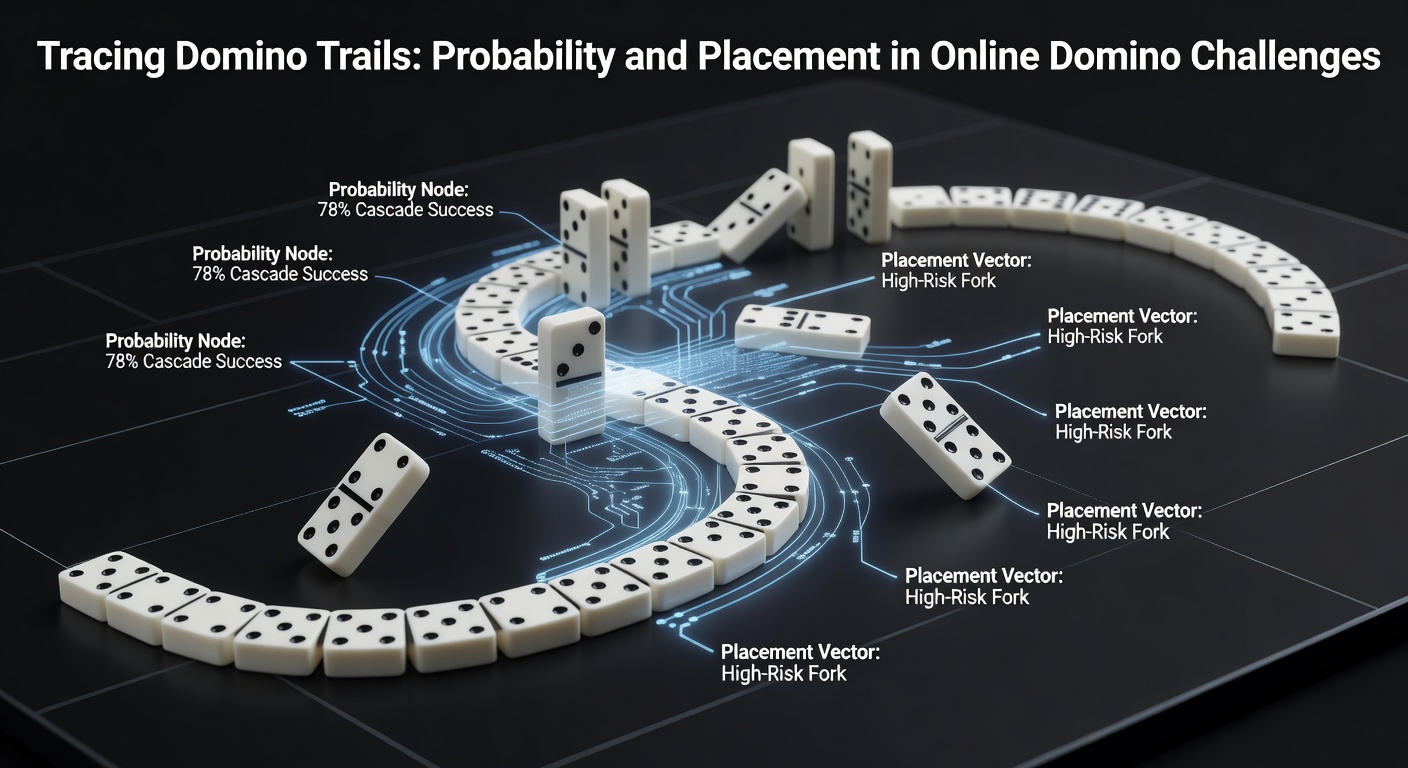
Online domino challenges have surged in popularity, drawing players who build intricate trails by matching numbers on double-six sets, where each tile features two halves ranging …
Hyperbackgammon strips backgammon to its essentials, shrinking the board to just 40 points instead of the standard 24 while slashing checkers from 15 per player down to only three; …

Abstract strategy games, those elegant puzzles of pure logic without thematic distractions—like Hive with its insect tiles maneuvering for control, or Quoridor's wall-building …