Board Game Platforms Adapt to Digital Demands in the Modern Era
Frankie Vogel · Jul 31, 2026
Board Game Platforms Adapt to Digital Demands in the Modern Era
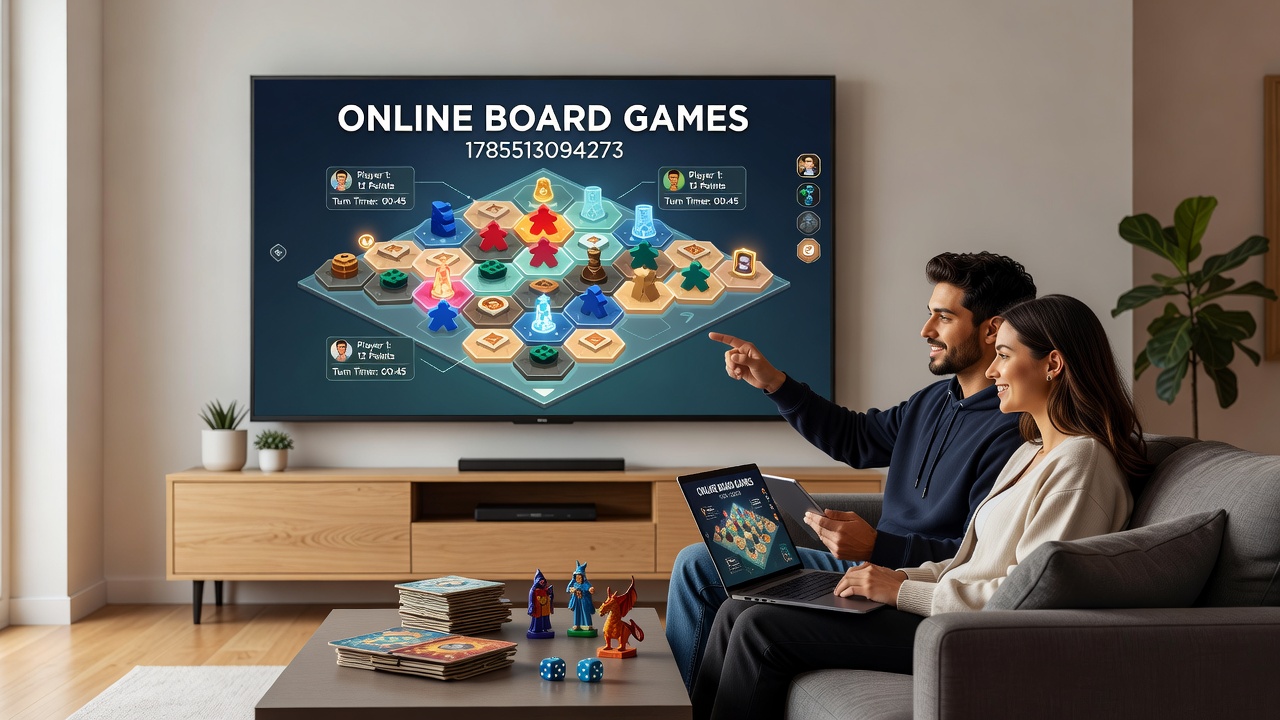
Online board games have expanded significantly as technology enables real-time multiplayer interactions across global networks, and developers integrate features that replicate physical components while adding tools for accessibility. Data from industry reports indicates steady growth in user participation through 2025, with projections extending into July 2026 when several platforms plan seasonal updates to coincide with increased summer engagement periods.
Platform Infrastructure and Technical Foundations
Modern services host games through browser-based systems or dedicated applications that manage rules enforcement automatically, and these setups reduce disputes because algorithms handle scoring and movement validation. Players access titles via computers, tablets or smartphones, while servers maintain synchronization so matches proceed without lag even during peak hours. Research from the Entertainment Software Association shows that mobile compatibility accounts for a large share of new registrations in North America, whereas European markets favor desktop interfaces for complex strategy titles.
Game Selection and Accessibility Features
Collections include classics such as chess, backgammon and domino variants alongside newer adaptations that incorporate tutorials for beginners. Many sites offer adjustable difficulty settings and visual aids that highlight legal moves, which helps users build skills progressively. Observers note that free-to-play models dominate the space, yet premium subscriptions unlock additional boards or remove advertisements, and payment structures vary by region according to local consumer preferences.
Turn-based options allow participants to resume sessions across multiple days, and real-time modes suit shorter matches where all parties remain online simultaneously. Accessibility tools such as color-blind modes and screen-reader compatibility appear more frequently because regulatory guidelines in Canada encourage inclusive design practices.

Social and Community Elements
Chat functions and friend lists foster ongoing connections, while leaderboards track performance across thousands of matches. Tournaments organized by platform operators draw participants from multiple continents, and prize structures range from virtual badges to entry into larger events. Studies conducted at Australian universities reveal that regular online play correlates with improved pattern recognition in some age groups, although results depend on session length and game complexity.
Communities form around specific titles through forums and in-game guilds, where experienced users share opening strategies without revealing full solutions. These interactions occur alongside automated matching systems that pair opponents of similar skill levels, which maintains competitive balance according to internal platform metrics.
Trends Emerging Toward Mid-2026
Developers experiment with augmented reality overlays that project boards onto physical tables when users opt for hybrid play, and integration with voice assistants streamlines setup for certain games. Figures released by Statistics Canada indicate rising interest in cross-platform play that lets console users join browser sessions, a feature several providers intend to expand before July 2026. Cloud saving ensures progress carries across devices, and seasonal events tied to holidays or game anniversaries boost login rates during those windows.
Security protocols continue to evolve with two-factor authentication becoming standard on major sites, while data encryption protects account details during transactions for cosmetic upgrades or ad removal. Industry associations track these developments to establish best practices that smaller developers can follow.
Conclusion
Online board games function through interconnected systems that combine rule automation, social tools and cross-device access, creating experiences that extend traditional play into digital environments. Growth patterns through 2025 and into July 2026 reflect ongoing technical refinements and broader device compatibility, supported by data from multiple regional sources. Players encounter structured environments where matches proceed reliably, and communities sustain engagement beyond individual sessions.