Dice Roll Dynamics: Cultural Twists in Online Dominoes and Checkers Tournaments
Felix Vogel · Aug 12, 2026
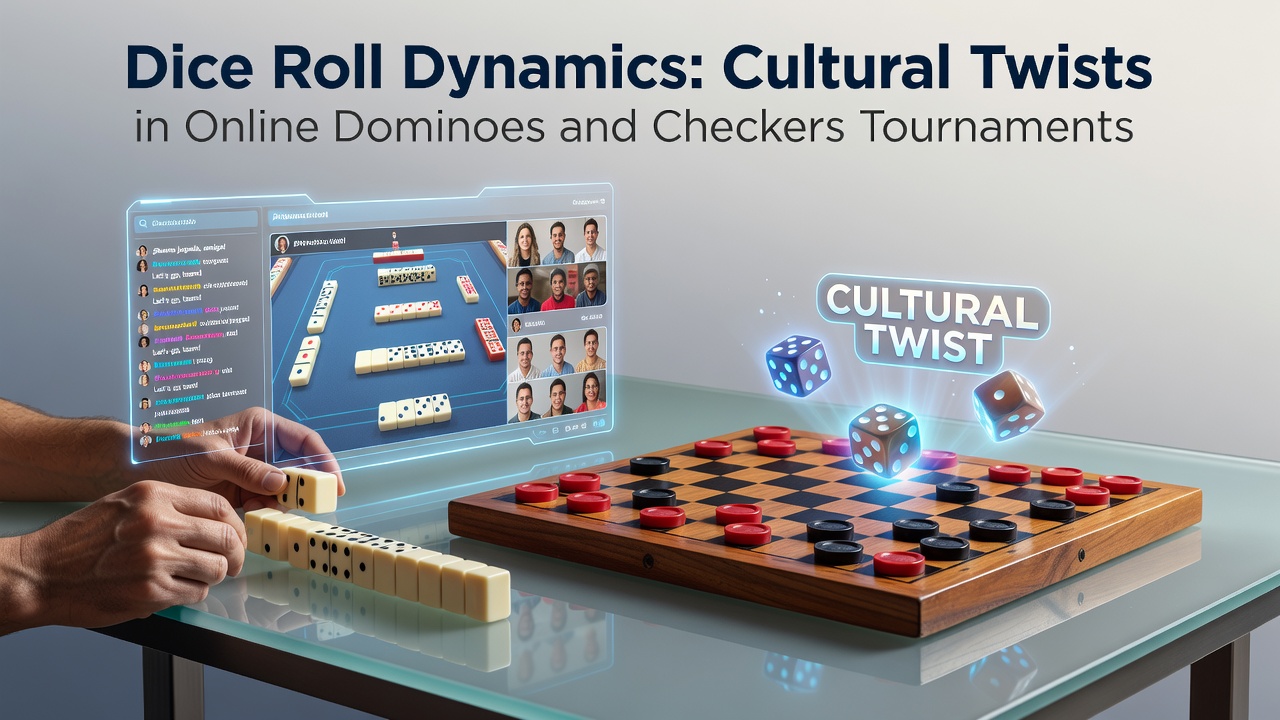
Dice Roll Dynamics: Cultural Twists in Online Dominoes and Checkers Tournaments
Online dominoes and checkers tournaments continue to blend probability mechanics with regional customs as platforms expand their reach into new markets during 2026, and August brings several events that highlight these intersections. Organizers schedule matches across time zones to accommodate participants from Latin America, Asia, and Europe where domino variants carry distinct social meanings while checkers adaptations incorporate local strategies passed down through generations.
Probability Elements in Domino Play
Dominoes rely on tile distribution rather than dice yet many digital versions incorporate random draw systems that mimic dice roll dynamics through algorithmic shuffles, and researchers at the University of Sydney documented how these systems affect player decisions in cross-cultural settings. Cultural twists emerge when Latin American participants favor aggressive blocking tactics rooted in street games while Asian players often prioritize defensive layouts shaped by mahjong influences that carry over into domino formats.
Checkers Adaptations Across Regions
Checkers tournaments online feature rule variations that reflect national preferences with American players favoring flying kings in international draughts while British participants stick to standard captures and data from the European Gaming Association shows participation rates climbed steadily through early 2026. These differences create layered tournament brackets where organizers must clarify rule sets upfront so competitors from varied backgrounds compete on equal terms without confusion over promotion rules or mandatory jumps.
August 2026 features a multi-regional checkers series that pairs North American and African players in alternating formats and observers note how cultural storytelling traditions in some communities influence post-match analysis sessions held in chat rooms.
Digital Platforms and Global Participation
Platforms hosting these events integrate translation tools and region-specific avatars that nod to cultural symbols such as Caribbean carnival motifs in domino lobbies or Nordic minimalist designs in checkers interfaces, and figures from industry reports indicate that user retention rises when such customizations appear. Tournament structures often include side events where dice-based mini-games determine seeding positions which adds another layer of randomness that echoes the title theme and keeps matches unpredictable.

One study conducted by Canadian academics tracked how players from different continents responded to randomized elements and results revealed that those accustomed to physical domino sets adjusted faster to digital dice simulations than newcomers who encountered the games solely through apps.
Regulatory Frameworks and Fair Play
Government bodies in Australia and the Malta Gaming Authority monitor online tournaments for fairness standards that cover random number generators used in digital draws while industry groups push for transparent algorithms that prevent manipulation. These oversight mechanisms ensure that cultural twists in gameplay do not extend to uneven advantages and participants receive clear guidelines before events begin.
Community forums attached to major platforms discuss historical anecdotes about how domino traditions traveled through migration routes and influenced modern online versions and such exchanges foster a sense of shared heritage among competitors who might never meet in person.
Future Trends in Tournament Design
Event planners experiment with hybrid formats that combine checkers strategy rounds with occasional dice roll challenges drawn from domino probability models and early trials in 2026 suggest these additions increase engagement across age groups. Data compiled by academic teams shows regional participation patterns shifting as more players from Eastern Europe join Asian-hosted domino events where tile placement carries symbolic weight beyond simple scoring.
August schedules highlight several showcases that celebrate these fusions through themed brackets and organizers track metrics such as match duration and completion rates to refine future iterations. Cultural elements surface in commentary tracks and visual overlays that reference folk art patterns from participating regions without altering core mechanics.
Conclusion
The interplay between dice roll dynamics and cultural adaptations continues to shape online dominoes and checkers tournaments as platforms refine their offerings for diverse audiences. Regulatory guidance from multiple jurisdictions supports consistent standards while academic research provides insights into player behavior across borders. Events planned for later in 2026 will likely build on these foundations and expand opportunities for global competitors to engage with both familiar traditions and new digital twists.