Dissecting Expertise and Randomness in Monetized Digital Checkers, Dominoes, and Strategy Platforms
Logan Jenkins · Aug 21, 2026
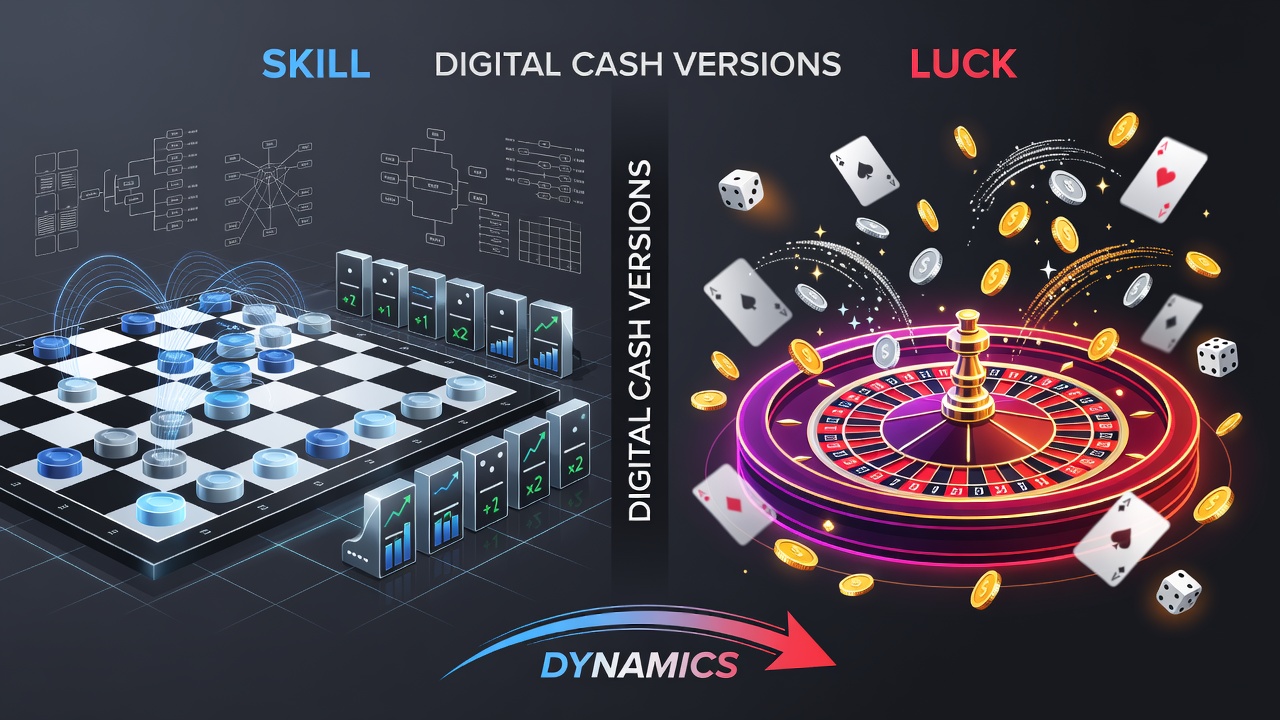
Dissecting Expertise and Randomness in Monetized Digital Checkers, Dominoes, and Strategy Platforms
Digital platforms offering cash versions of checkers, dominoes, and similar strategy games continue to attract players who seek competitive formats where both personal ability and chance factors play defined roles, and data collected through 2025 into August 2026 shows steady participation growth across multiple regions. Observers note that these environments require users to navigate rule sets that blend deterministic moves with occasional random elements such as tile draws in dominoes or starting position assignments in certain checkers variants, while regulatory frameworks in places like New Zealand and Canada monitor how operators disclose these dynamics to participants.
Core Mechanics Across Games
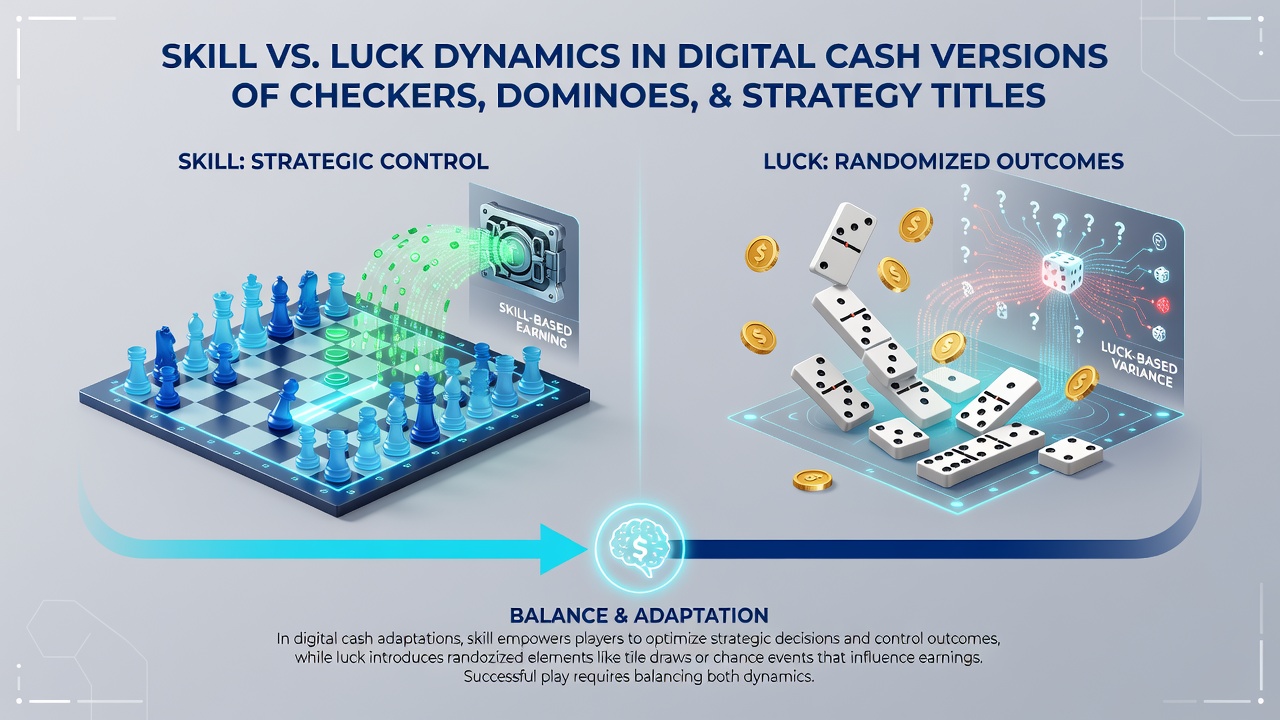
Checkers relies primarily on calculated positioning and forced capture sequences, yet cash versions often introduce minor randomization through server-assigned board colors or time controls that indirectly influence outcomes, and studies from academic groups at the University of Sydney have examined how these additions affect long-term player retention rates. Dominoes, by contrast, incorporates explicit chance through the initial tile distribution, which means skilled players must adapt strategies around incomplete information rather than pure foresight, while related titles such as backgammon variants add dice rolls that further layer probability onto positional decisions.
Those who analyze player data across platforms report that success metrics in cash checkers correlate strongly with match volume and pattern recognition, whereas dominoes results reflect a measurable split between draw luck and endgame execution, and researchers tracking European markets have documented similar patterns in games that combine board movement with resource allocation.
Measurement Approaches and Industry Data
Operators in the sector frequently publish aggregated statistics that separate skill-dominant sessions from those influenced by variance, and figures released through industry associations indicate that checkers cash matches lasting over twenty moves show higher predictability based on rating systems than shorter games, while dominoes sessions display wider outcome spreads even among similarly ranked participants. A report compiled by Canadian research networks highlights how players who review historical tile distributions improve their win percentages over time, suggesting that accumulated knowledge can offset initial randomness in repeated play.
Platforms must also address legal thresholds that distinguish games of skill from those of chance, and authorities in Australia have issued guidance requiring clear labeling of random components so users understand payout structures before depositing funds. In August 2026 several sites updated their dashboards to include real-time variance indicators, allowing participants to view estimated luck contributions alongside skill ratings derived from head-to-head records.
Player Adaptation Patterns
Long-term participants often develop routines that mitigate chance elements, such as selecting dominoes variants with smaller tile sets or practicing checkers openings that reduce early-game volatility, and case studies from North American operators reveal that users who combine study tools with bankroll management sustain participation longer than those relying solely on individual matches. External analyses from the National Council on Problem Gambling further note that transparent disclosure of both skill ceilings and random factors correlates with lower dispute rates in cash environments.
Related strategy titles, including certain alignment or placement games adapted for real-money play, follow comparable trajectories where core rules remain deterministic yet ancillary mechanics introduce controlled uncertainty, and data shared by academic consortia across multiple continents confirm that hybrid models maintain engagement when participants perceive measurable influence over results.
Conclusion
Overall patterns emerging through mid-2026 demonstrate that cash versions of checkers, dominoes, and adjacent titles operate along a spectrum where skill expression remains central, yet documented random components require adaptive responses from players and clear communication from operators. Regulatory updates in varied jurisdictions continue to shape how these dynamics appear to users, while ongoing research supplies quantitative frameworks that separate controllable factors from probabilistic ones across sessions.