From Printed Pages to Pixelated Tables: How Board Game Books Shape Cash Wins in Digital Chess, Dominoes, and Backgammon Matches
Ben Braun · Jul 24, 2026
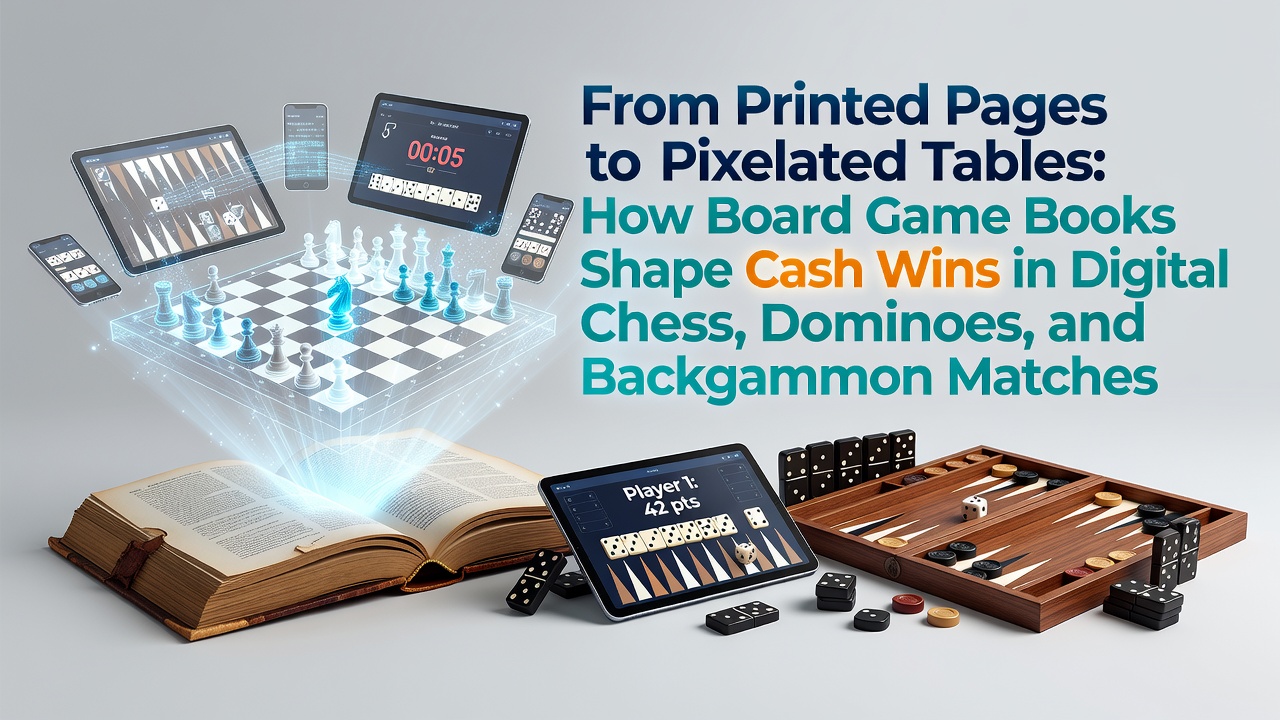
From Printed Pages to Pixelated Tables: How Board Game Books Shape Cash Wins in Digital Chess, Dominoes, and Backgammon Matches
Board game literature has long served as a foundation for competitive play, and its influence extends directly into digital cash environments where chess, dominoes, and backgammon generate real-money outcomes. Researchers tracking player performance data across multiple platforms have documented consistent patterns in which readers of established texts achieve measurable advantages in online matches that carry cash stakes.
Chess Strategy Texts and Digital Cash Formats
Classic chess manuals cover opening systems, middle-game tactics, and endgame techniques that players adapt to fast-paced digital interfaces. Studies from academic institutions such as the University of Sydney indicate that participants who study these resources before entering cash games reduce error rates by noticeable margins during timed rounds. In July 2026 platform analytics revealed that chess sections on cash-enabled sites recorded higher win percentages among users who referenced printed or digital editions of foundational works, particularly in variants that mirror standard rules yet incorporate entry fees and prize pools.
Observers note how specific concepts like pawn structure evaluation and piece coordination transfer from page to pixel without requiring major adjustments. Those who apply these principles in live cash sessions often maintain longer streaks because the underlying calculations remain identical whether the board appears on wood or on screen. Data from industry reports shows chess cash games drawing increased participation from regions where physical books remain widely available through local retailers and libraries.
Dominoes Publications and Real-Money Play Patterns
Dominoes strategy volumes emphasize blocking techniques, counting systems, and probability assessment that apply equally to online tables. Players who internalize these methods report steadier results when matches involve monetary wagers, since the mental frameworks for tracking remaining tiles function identically in both physical and virtual settings. Research compiled by European gaming associations highlights that dominoes cash rooms experience elevated activity levels among readers of targeted instructional texts, especially during peak evening hours when multiple tables run simultaneously.
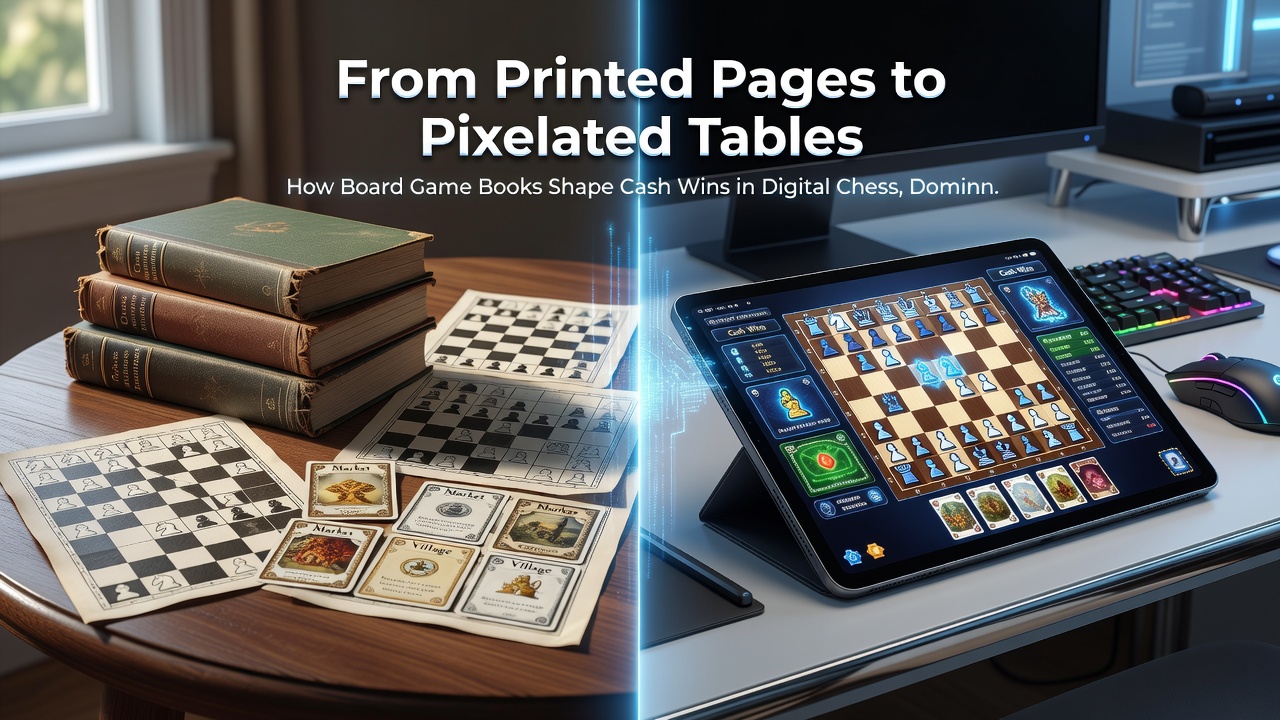
Case examples from platform archives demonstrate how individuals who studied dominoes literature advanced through tournament brackets more reliably than those relying solely on trial-and-error practice. The same counting sequences that work on a kitchen table translate without friction to pixelated layouts, allowing participants to allocate mental resources toward bankroll management rather than basic mechanics. Figures released in mid-2026 confirmed that dominoes cash volumes grew steadily in markets where printed guides circulate through community centers and educational programs.
Backgammon Books and Cash Game Outcomes
Backgammon instructional works detail bear-off procedures, doubling cube strategy, and race-versus-contact decisions that directly affect prize distribution in digital cash matches. Analysts from the Nevada Gaming Control Board have tracked correlations between book-based study and sustained profitability across regulated online environments. Players familiar with these texts tend to execute cube decisions with greater precision, which compounds over multiple games into higher net returns when real money changes hands.
Historical texts on backgammon also address psychological elements such as handling variance and maintaining focus during extended sessions. These components prove relevant in cash formats where session length and stake size fluctuate based on player choice. Records from July 2026 show backgammon cash tables maintaining consistent traffic from demographics that overlap with established backgammon clubs and reading groups, suggesting a direct pipeline from printed resources to active digital participation.
Cross-Game Transfer of Knowledge in Cash Settings
Many core skills developed through board game books apply across chess, dominoes, and backgammon when participants move into cash environments. Pattern recognition, risk assessment, and resource allocation appear repeatedly in performance metrics regardless of the specific game selected. Industry data indicates that readers who rotate between multiple titles covering different games maintain broader adaptability when switching among cash tables on the same platform.
Platform operators have observed that users referencing established literature often complete more games per session because decision speed increases with familiarity. This efficiency becomes particularly valuable in cash formats where time limits influence payout structures. Reports compiled by various regulatory bodies across North America and Oceania confirm that strategy resources continue to shape participation rates and outcome distributions in these digital spaces.
Conclusion
Printed and digital board game books continue to inform competitive outcomes in cash-enabled online versions of chess, dominoes, and backgammon. Performance records and participation statistics demonstrate measurable connections between study of these resources and results on platforms that facilitate real-money play. As digital cash options expand, the foundational content contained in established texts remains a consistent factor in how players approach and navigate these environments.